Technology Changes. Trust Doesn’t.
40 Years of Houston


Happy 40th Birthday Houston!
40 years in Hamilton, still local.
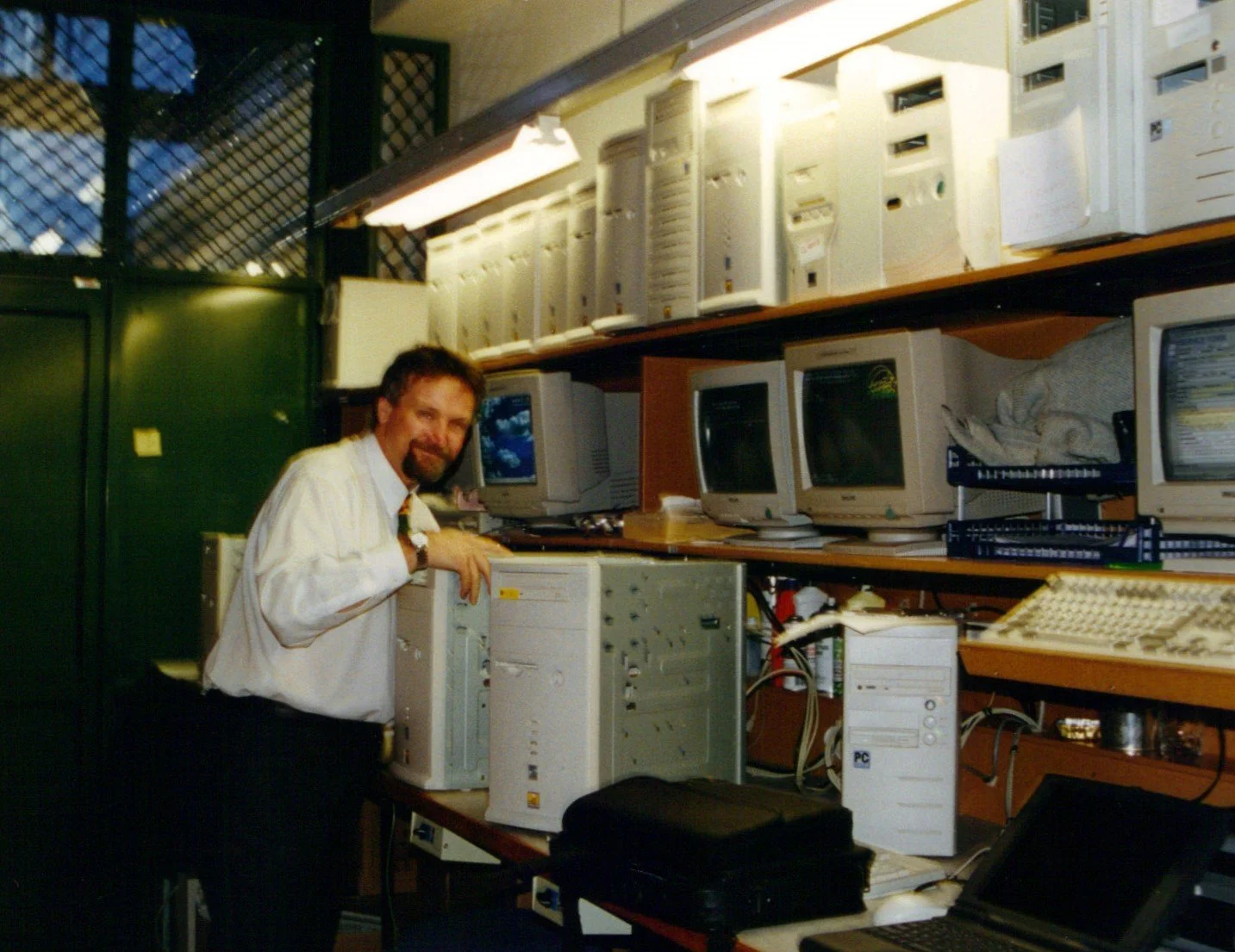
When Houston began in Hamilton in 1986, computers were difficult, expensive and often temperamental.
The ‘cloud’ was in the sky, and ‘AI’ was a robot in a sci-fi novel.
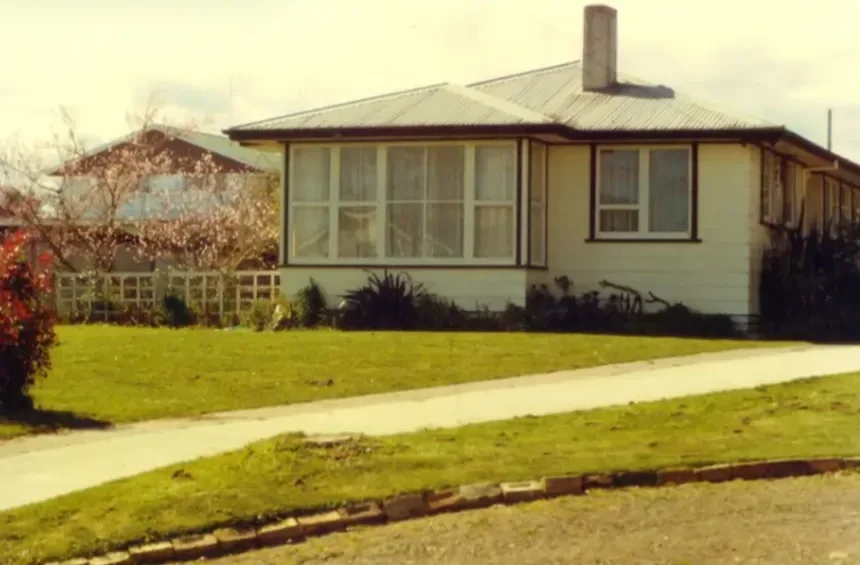
Of the dozens of IT companies that emerged in Hamilton in the late 1980s, almost all disappeared. Houston Technology didn’t, and its story explains why. A Waikato technology firm that is still operating four decades later is therefore an outlier in an industry not known for longevity.
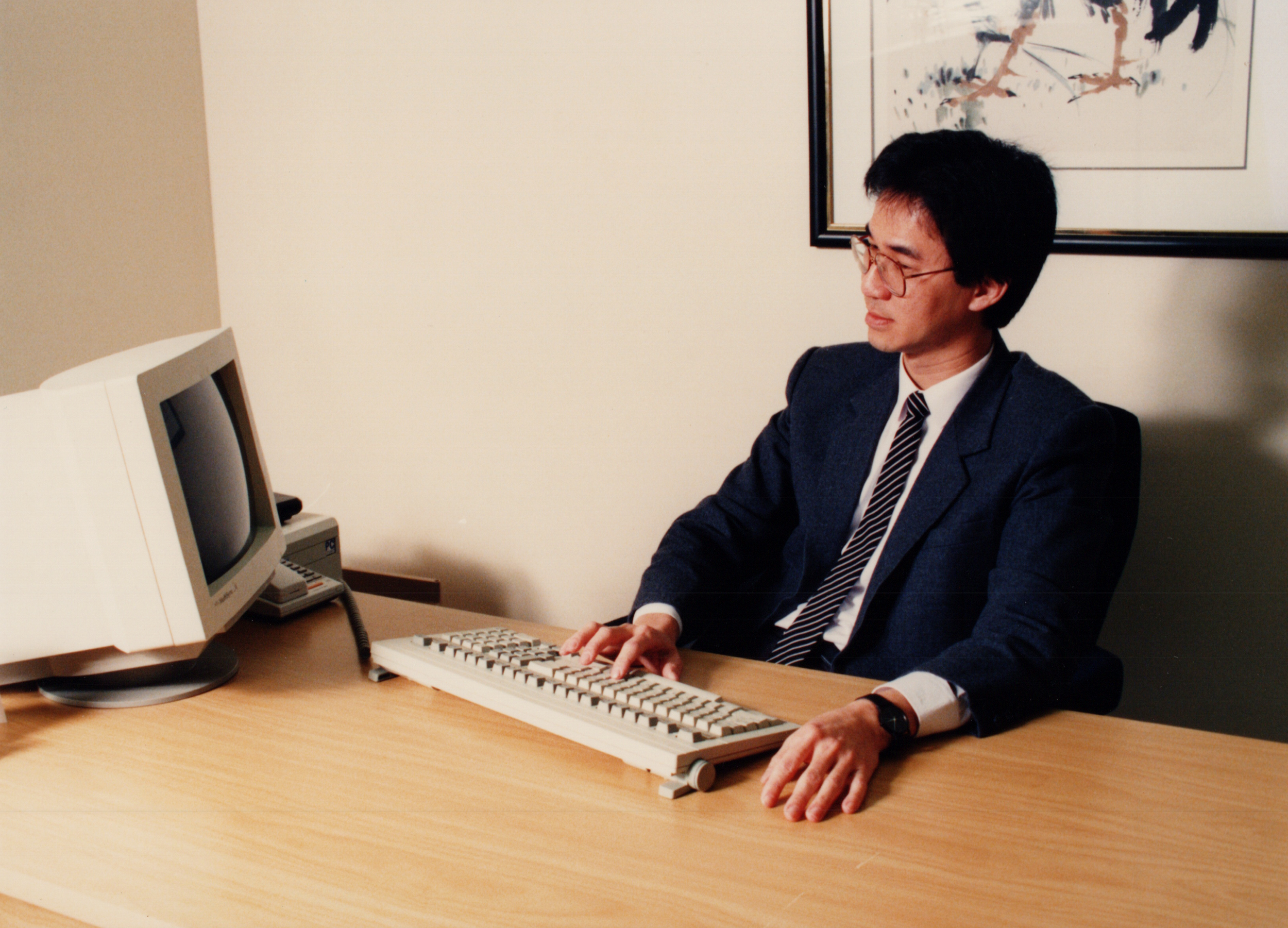
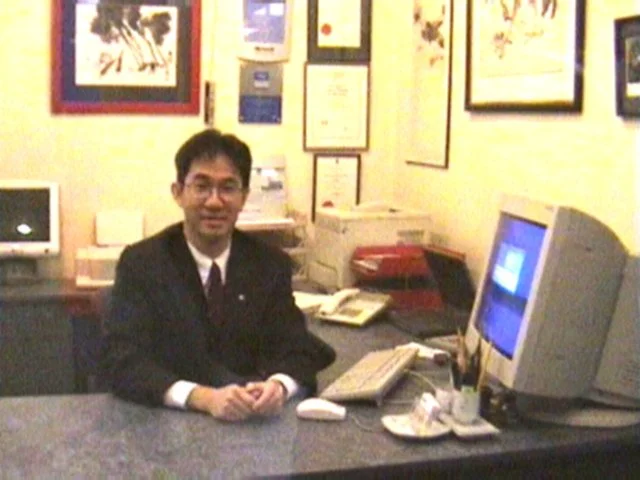
When chartered accountant and management graduate Alan Chew founded Houston Technology in Hamilton in 1986, the local IT market was tiny. The release of IBM’s PS/2 PC a year later triggered rapid expansion, and by 1990, he counted around 35 IT companies operating in Hamilton alone.
1986
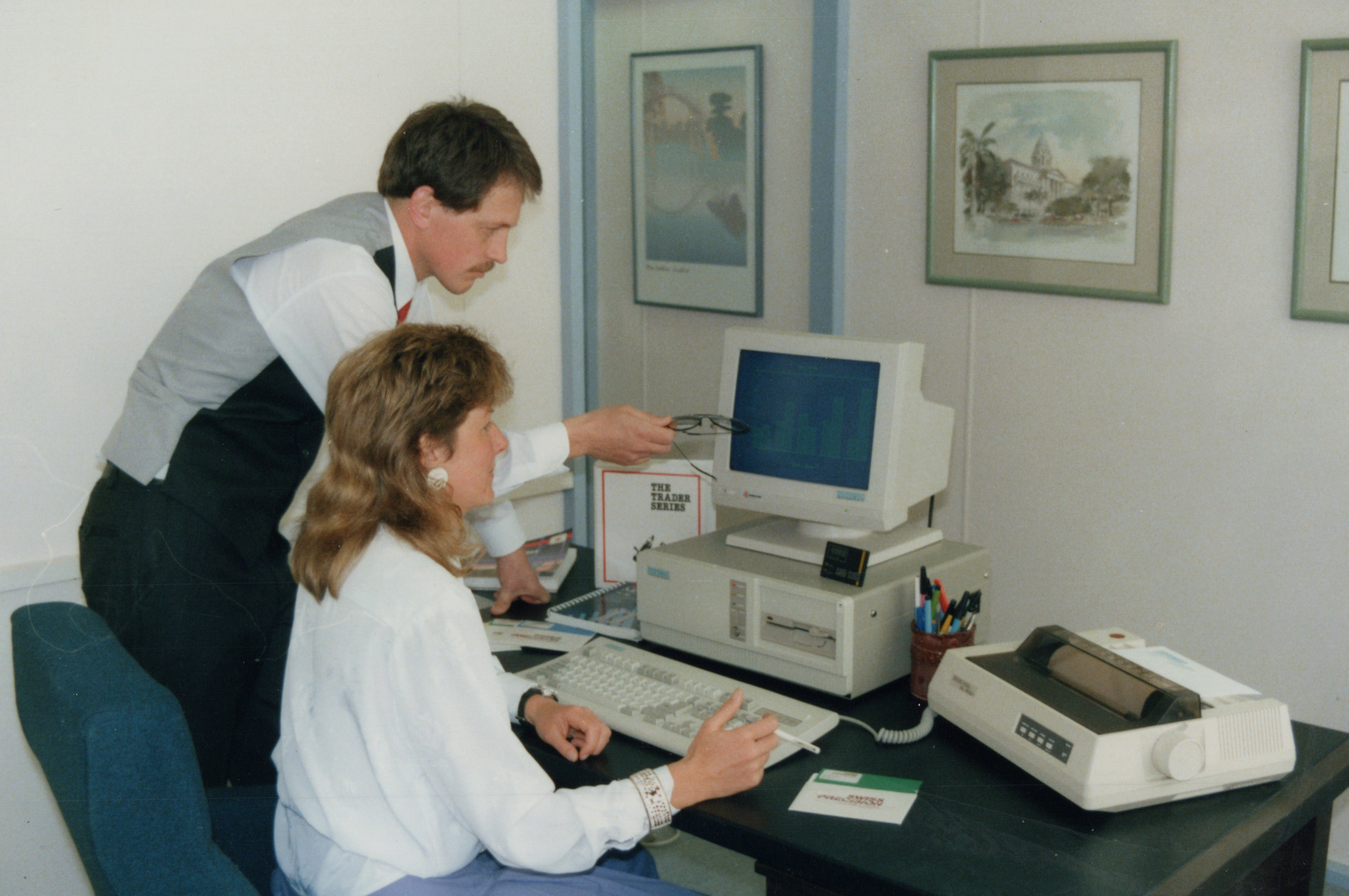
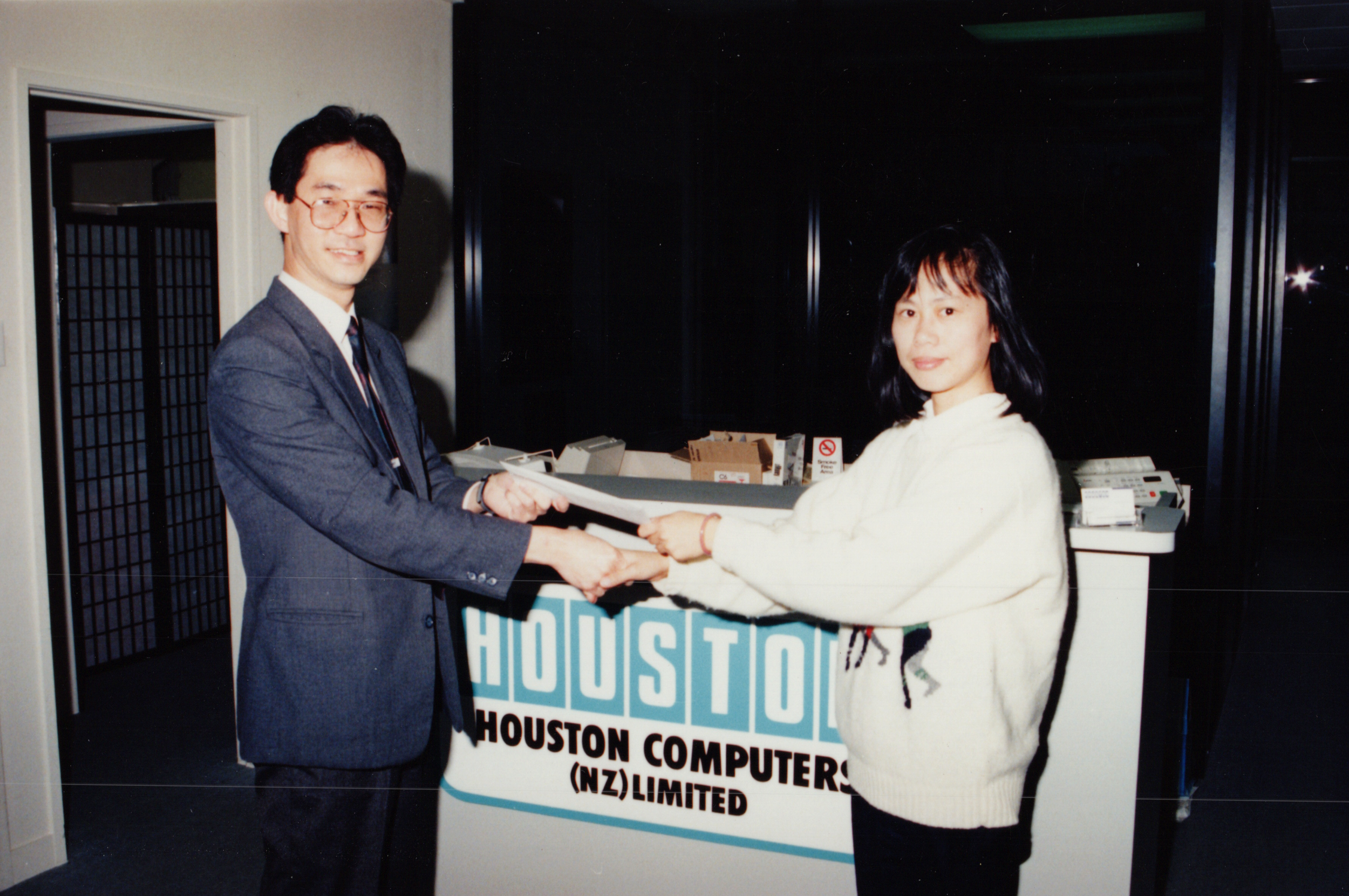
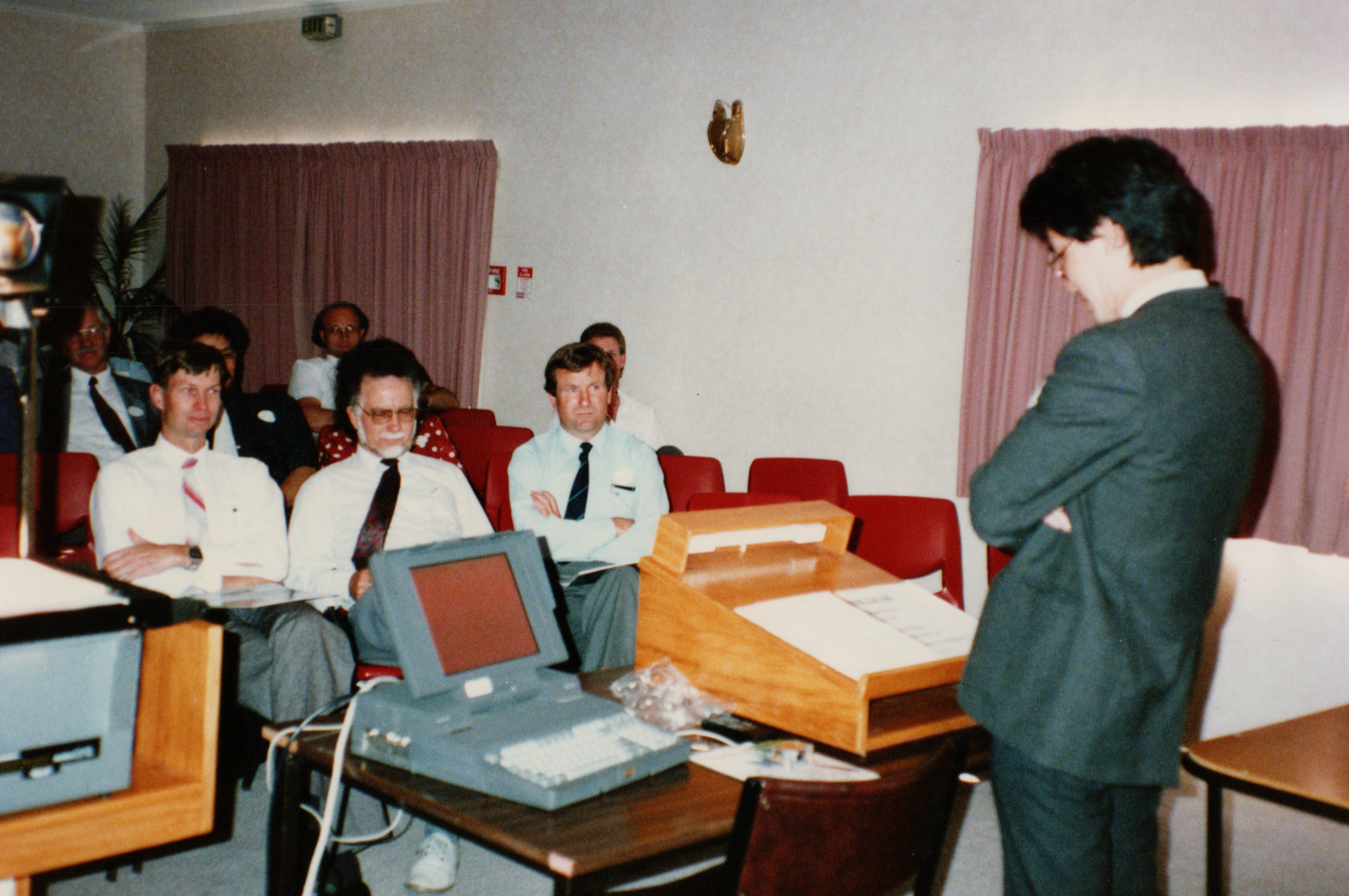
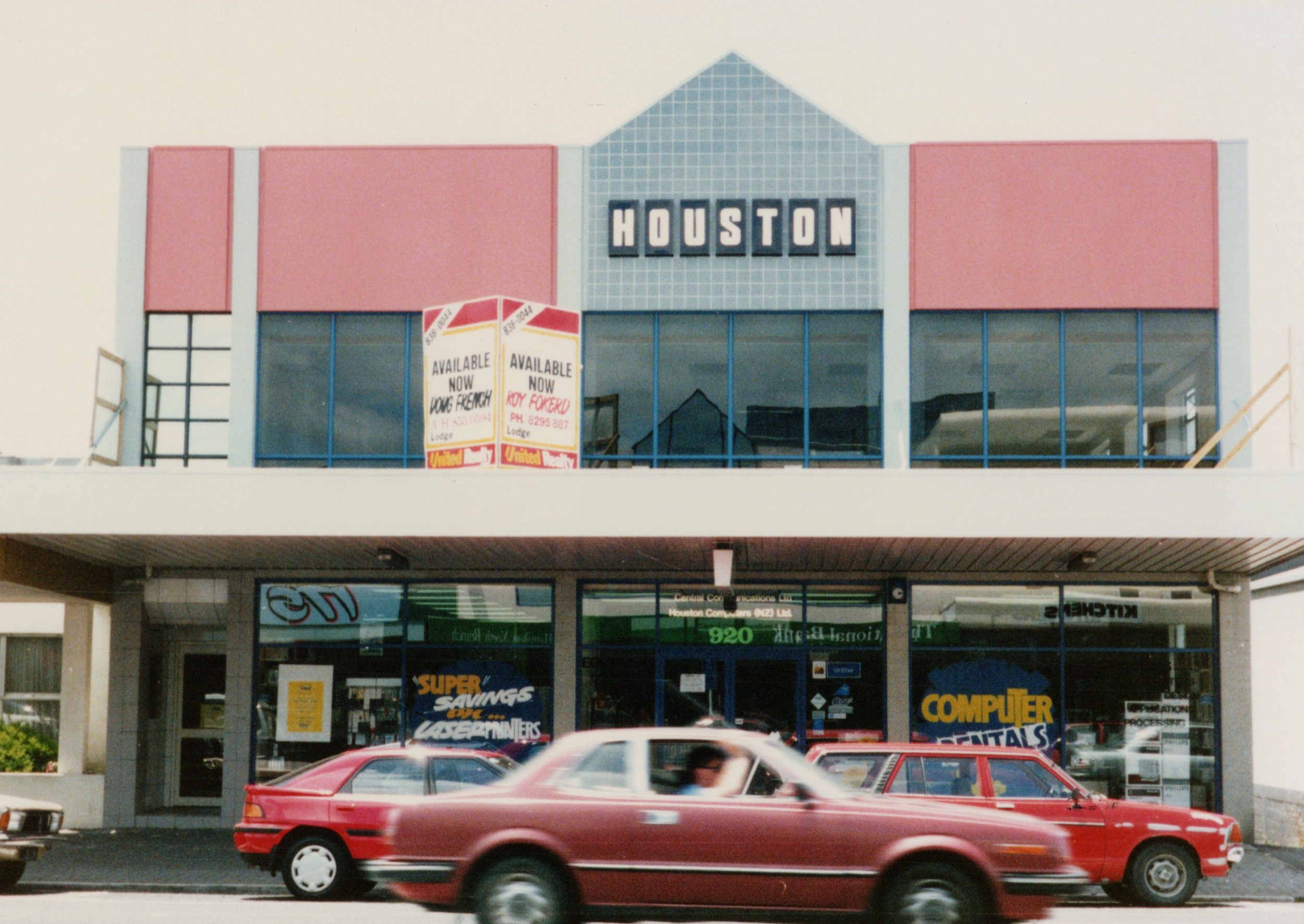
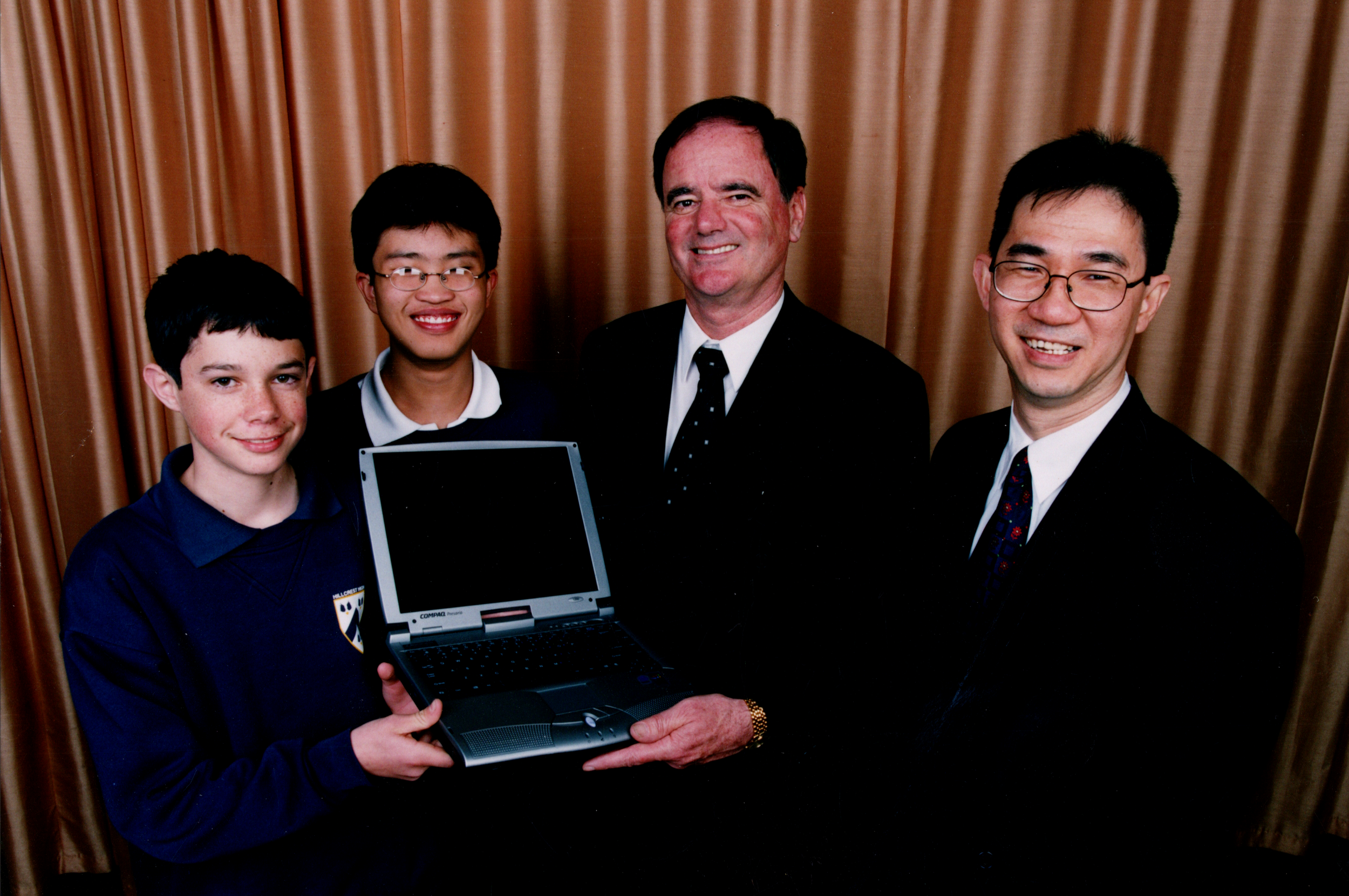
1990s
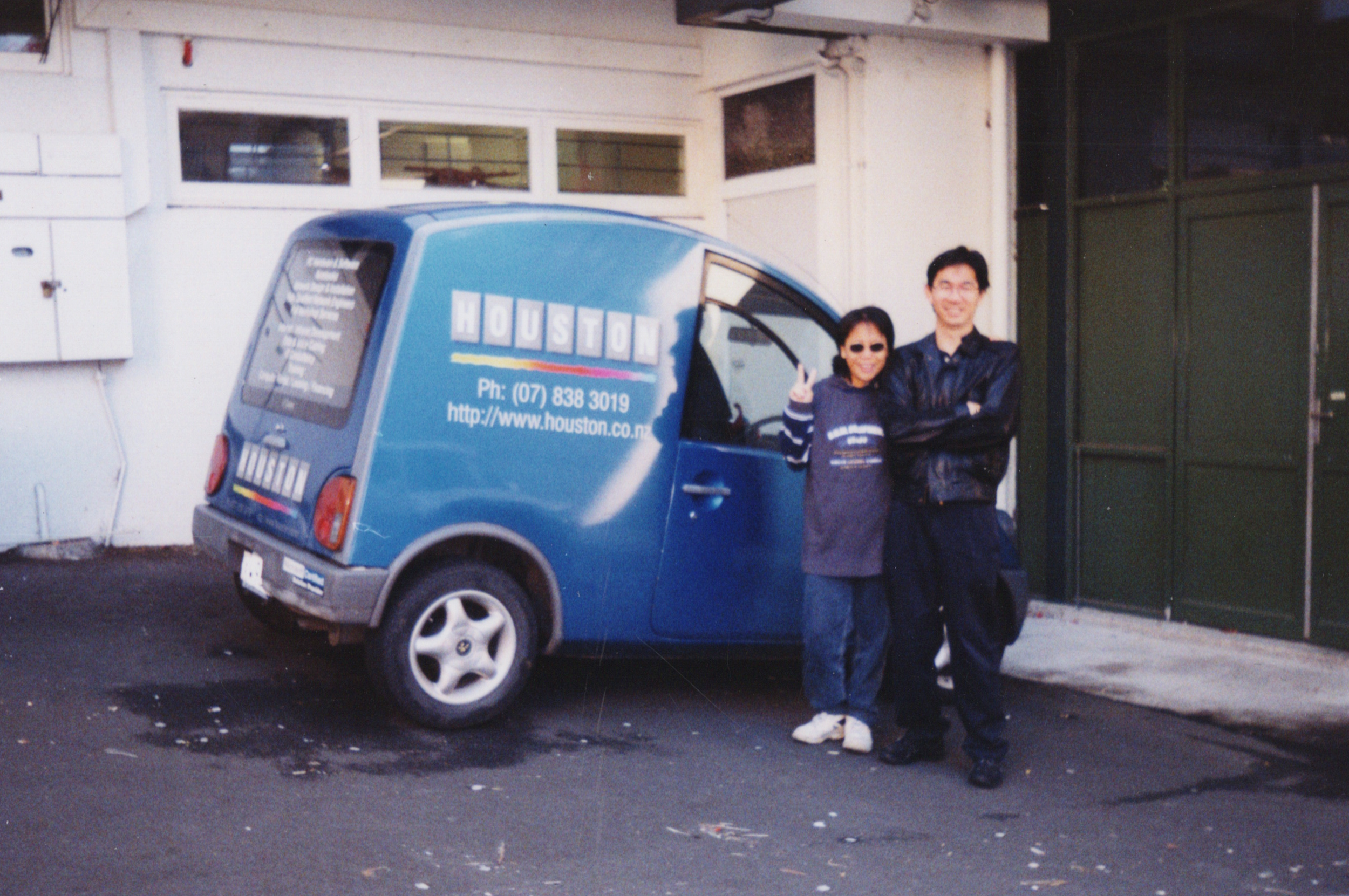
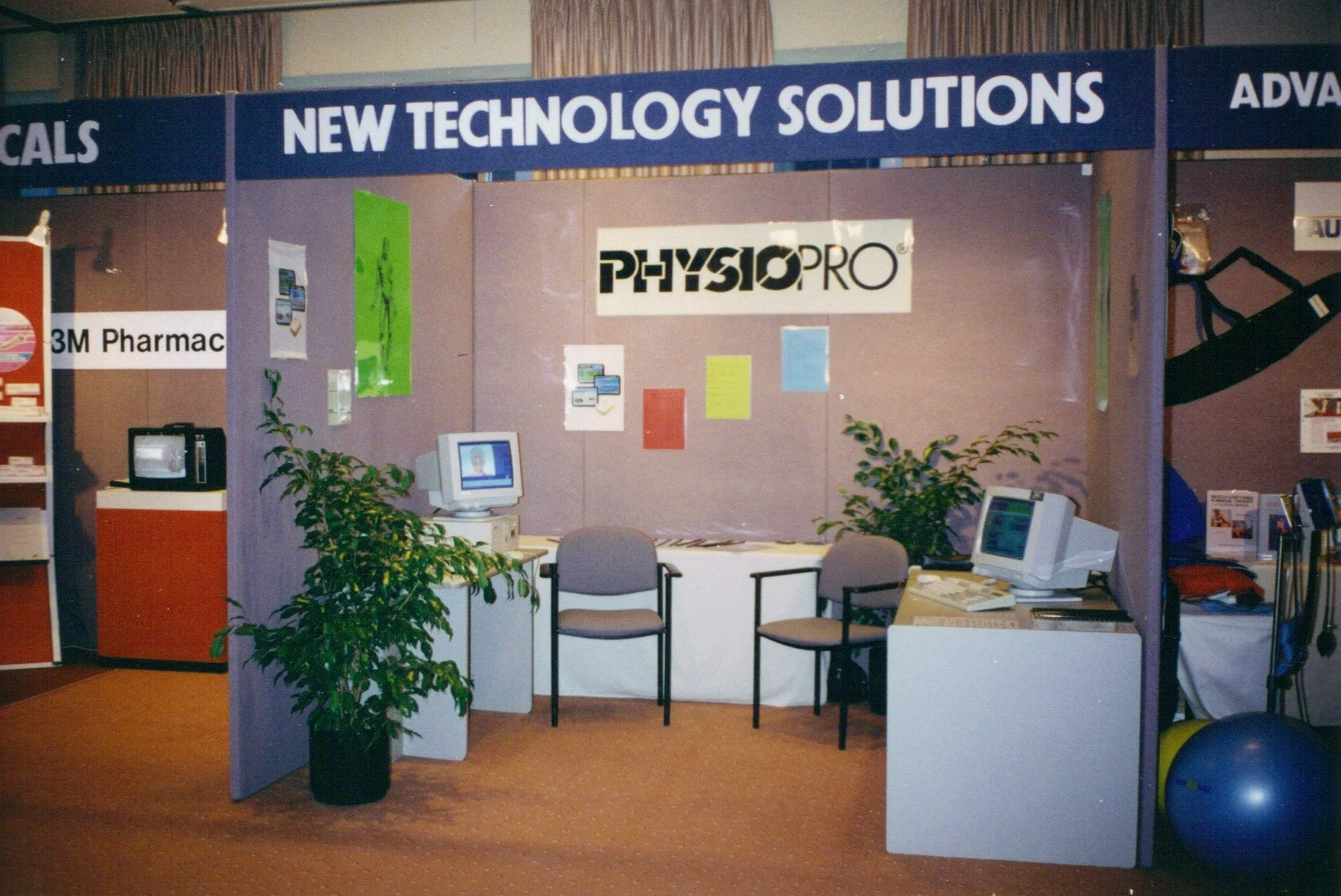
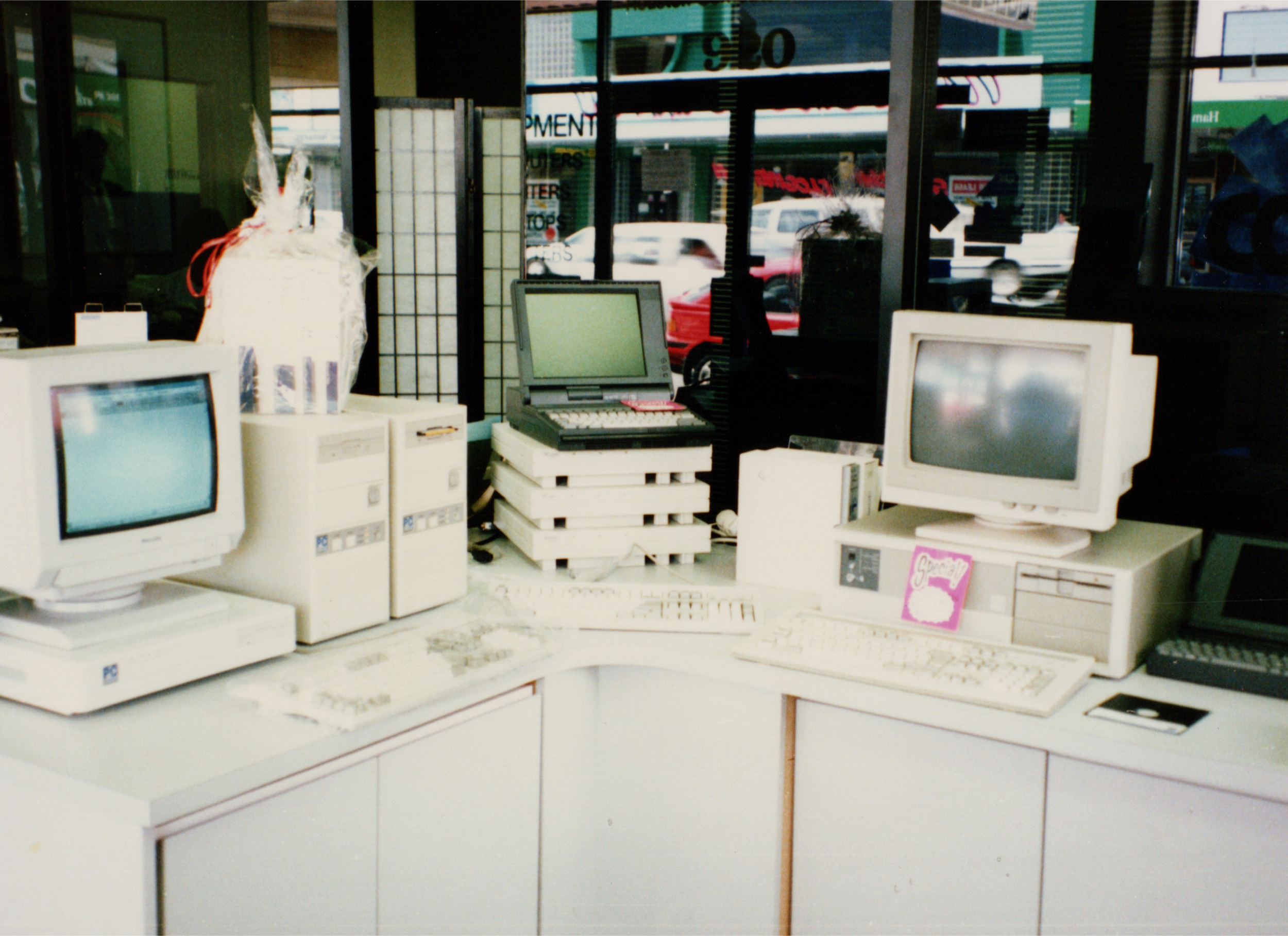
“In the early days, IT was almost entirely hardware,” Chew recalls. Frustrated by how little software was doing to improve real productivity, he launched Houston Productivity in 1990.
The focus was not on selling more technology, but on pairing systems with software and advice that transform how organisations work. For years, it was the only local firm taking that approach.
By the early 2000s, the market caught up. Demand shifted decisively toward productivity, compliance and security delivered through software, better processes, and trusted advice.
The lesson, Chew says, was simple but frequently ignored: buying technology is easy; living with it is not. Value is created - or destroyed - after go-live, through adoption, training, integration, cybersecurity, and continuous improvement.
Chew is disarmingly honest about early mistakes, particularly underestimating change management. Houston’s response was structural, not rhetorical. We have moved from standalone machines to networks, from servers to cloud platforms, and now into artificial intelligence. Each wave promised to replace the previous one completely, at a faster rate each time.
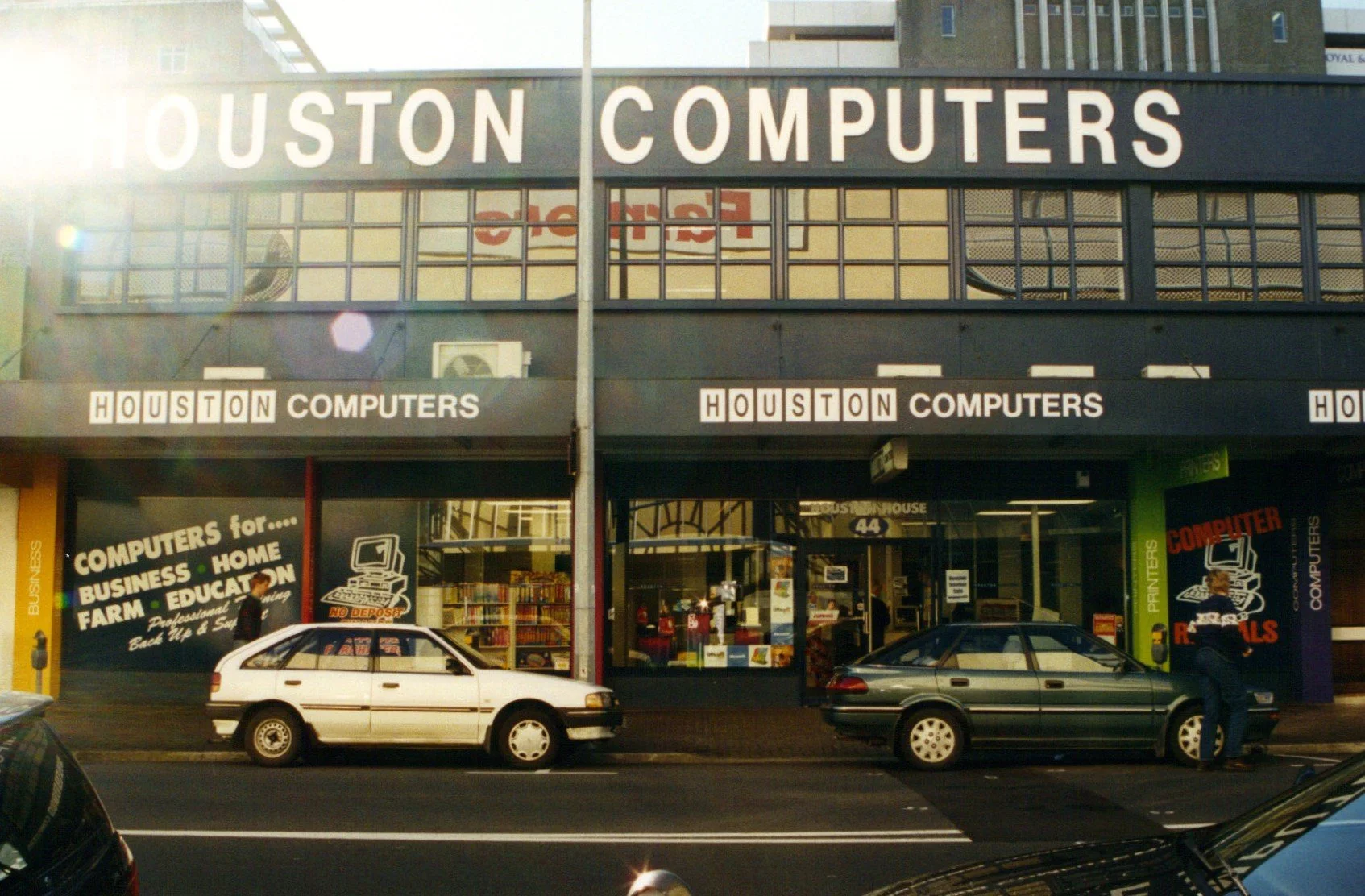

2000s

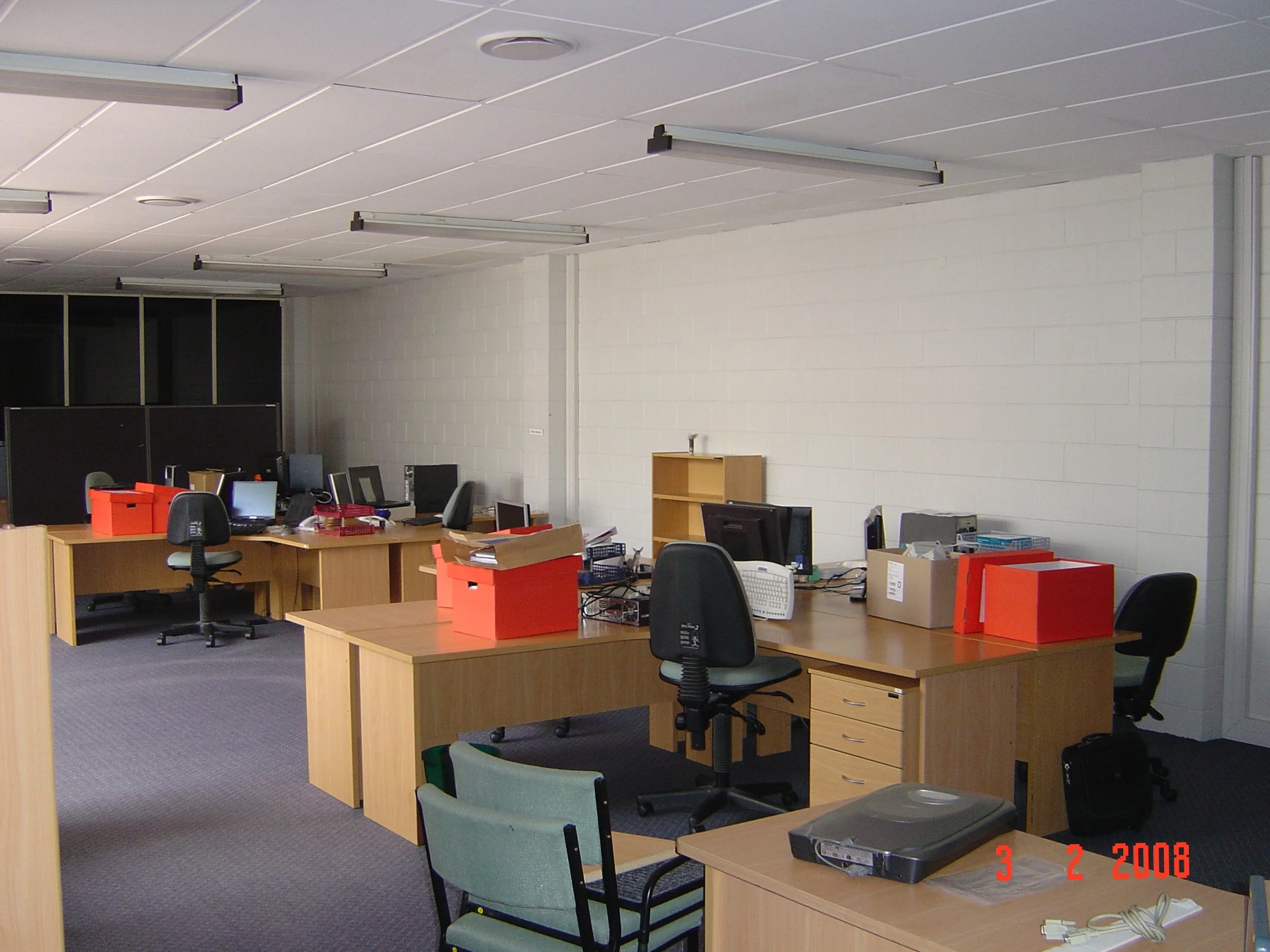
Clients did not want innovation for its own sake, they wanted certainty. The early lesson was simple and enduring: technology only has value when people understand it and trust the people delivering it.
If Houston has a competitive advantage, Chew believes it lies in trust and the loyalty that follows over time. Trust reduces risk. And in complex IT environments, risk is what keeps boards awake at night.
What clients do over time matters more than what is claimed. Te Awamutu Medical Centre and Keyport Medical have worked with Houston since the early 1990s. The medical centre left for five years before returning, a pattern Chew sees as a stronger indicator of trust than uninterrupted tenure.
2010s
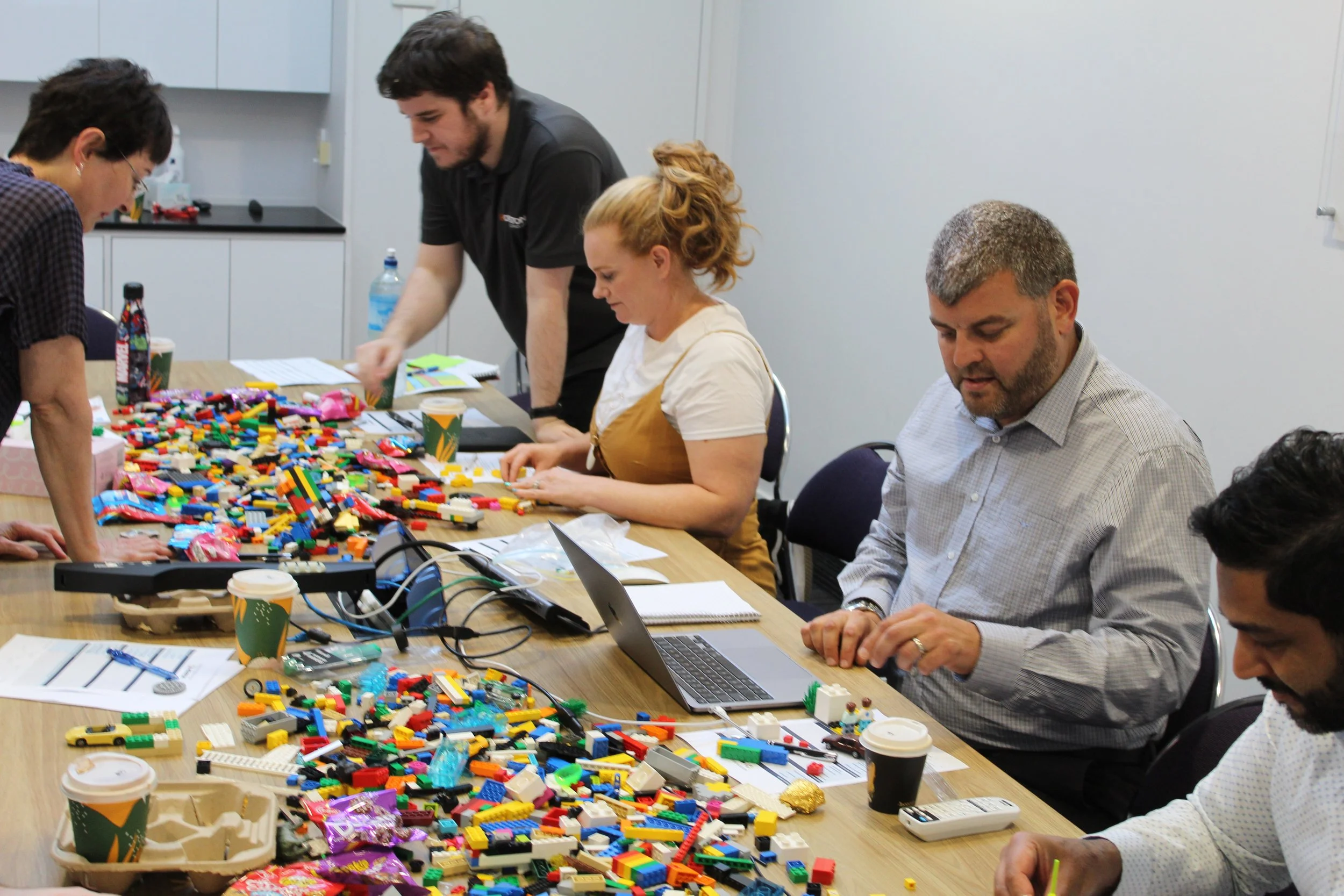
To underscore Chew’s emphasis on the importance of software and advice, the firm’s work in those areas now spans widely: AI, automation, software development, cybersecurity, and Modern Workplace consultancy.
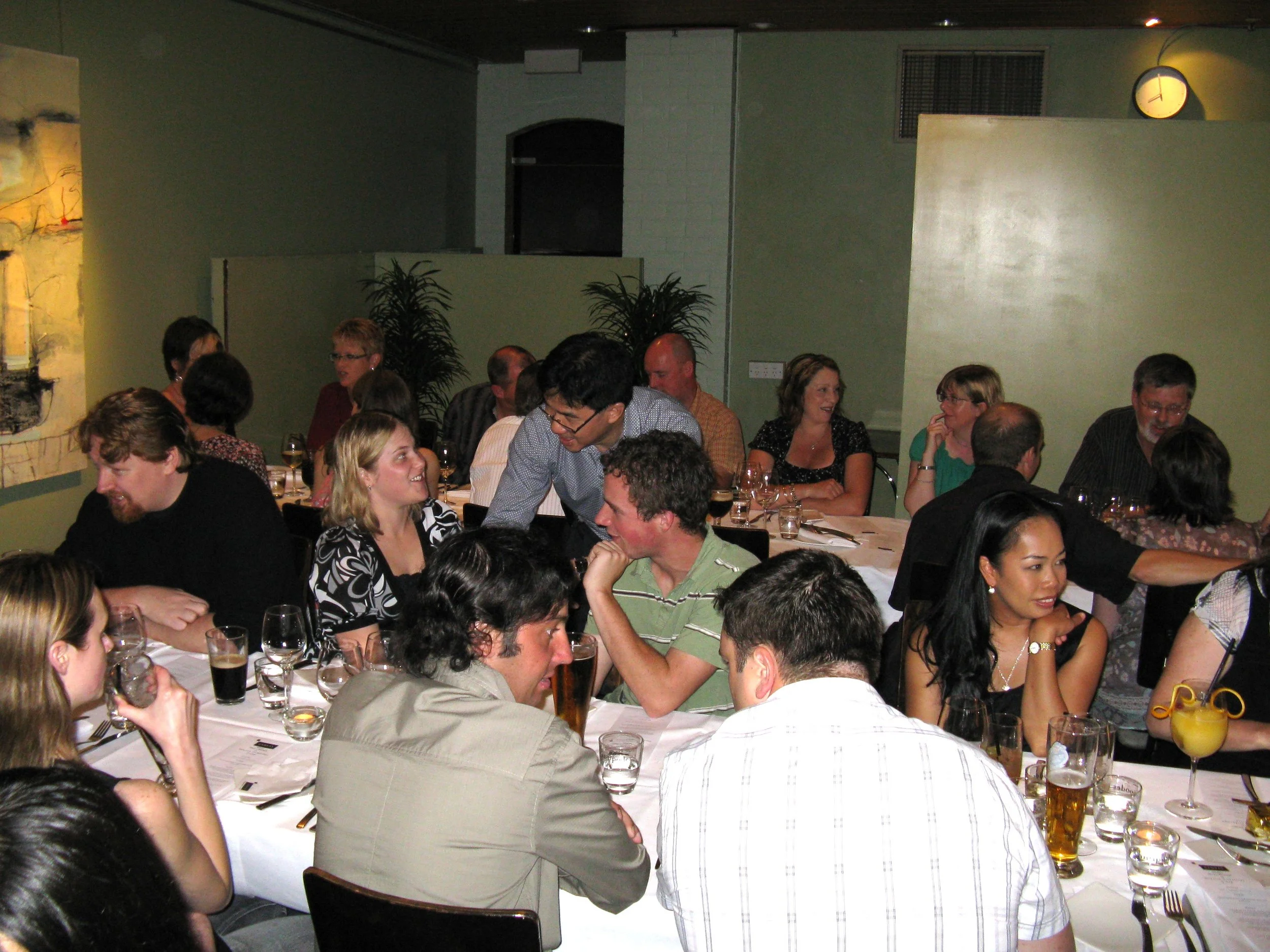
It is through the hard work, wisdom and close relationships built with staff that has underpinned our success through the years, of which I am grateful for. Thank you to the team.
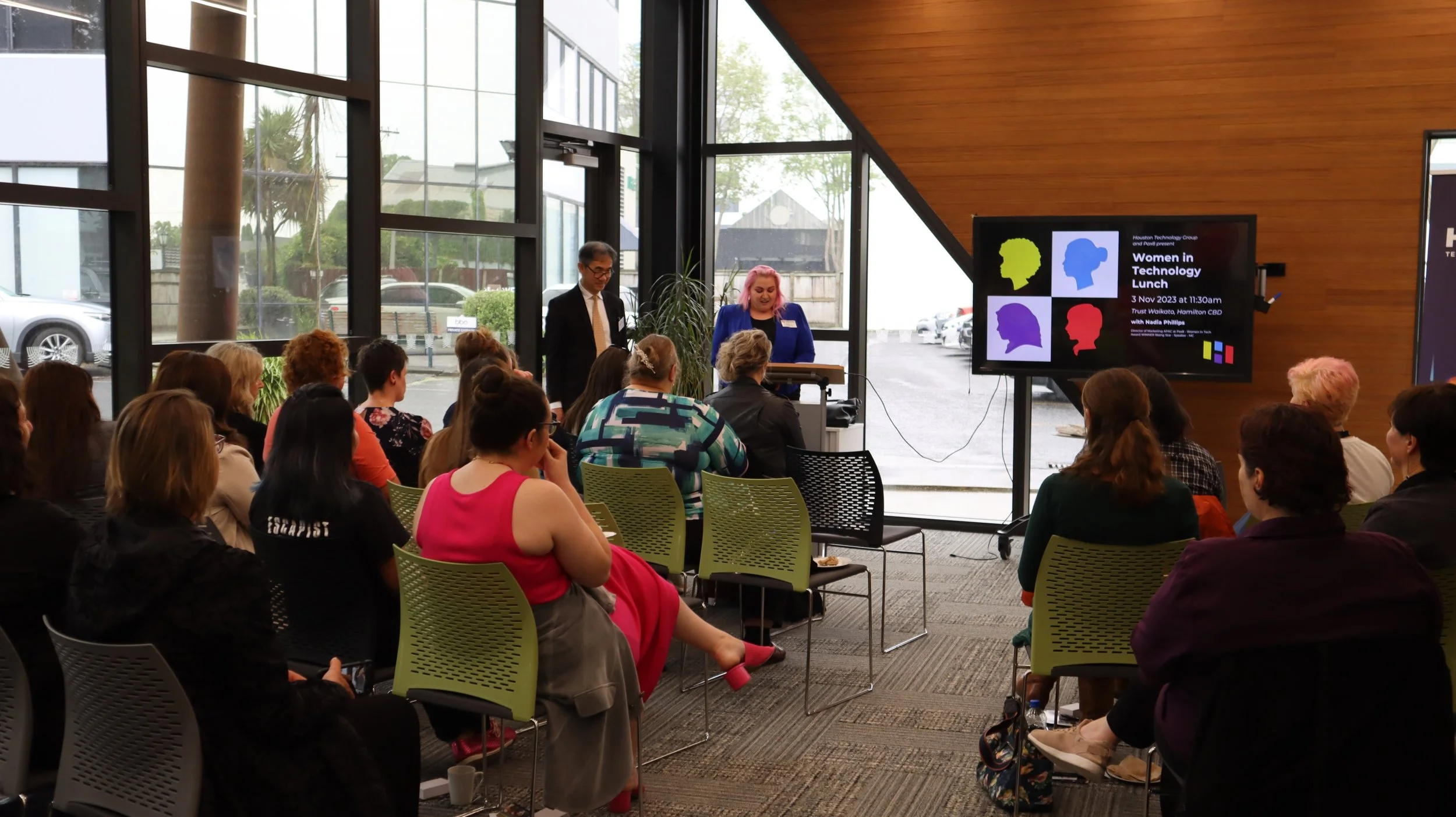
Alongside its commercial evolution has been a consistent commitment to the community. Chew, supported throughout by his wife Jill, has served 14 years on the boards of Trust Waikato and WEL Energy Trust. He also donated the design of the NZ Covid Tracer App at the start of the pandemic, which earned him a Paul Harris Fellowship from Rotary International.

2020s
2026
As Houston enters its fifth decade, new technologies like AI continue to reshape the industry. Chew says the firm has moved from instinct to data‑driven decision‑making, upgrading almost everything along the way.
In Chew’s view, that constancy, rather than any single technology shift, explains Houston’s longevity.
Trust hasn’t changed because no one has invented a better alternative.

Happy Birthday Houston!
Our logos over the years:
-
![]()
First Logo
-
![]()
-
![]()
-
![]()
-
![]()
-
![]()